Volunteering: The Heart of America, the Power of Humanity, and a Legacy We Must Pass to the Next Generation
Why giving our time, compassion, and service to others may be one of the greatest contributions we can make to society.
By Dr. Vijay Kumar, MD, MPH, PhD, DPT
Introduction: The Value of a Volunteer
There is something extraordinary about a person who wakes up early, puts on a volunteer jacket, and leaves the comfort of home—not to earn a paycheck, receive recognition, or advance a career, but simply to help someone else.
In a world increasingly driven by financial success, professional accomplishments, technological advancement, and personal convenience, volunteering reminds us of a fundamental truth: the value of a human life is measured not only by what we accumulate, but also by what we contribute.
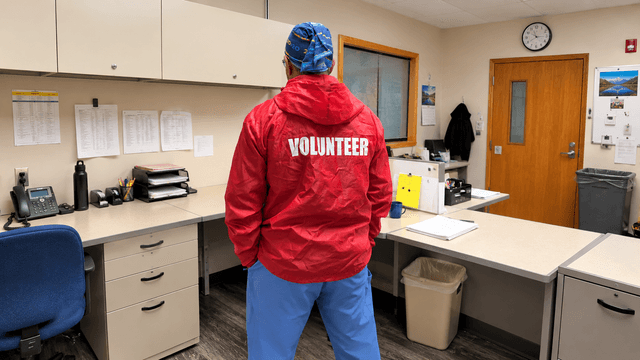
The photographs accompanying this article show me wearing a red volunteer jacket at the Detroit Free Press Marathon. On its back, one word stands out in large white letters: VOLUNTEER.
That word represents a responsibility far greater than the jacket itself.
Having participated in running events, I appreciate the dedication required to cross a finish line. But behind every successful marathon, charity event, community celebration, and humanitarian mission stands a group of people whose contributions often go unnoticed: the volunteers.
They distribute water, guide participants, organize supplies, provide directions, support people who need assistance, and offer encouragement when it matters most. Their contributions may not appear on a financial statement, but their value is immeasurable.
Having lived in the United States for many years, I have come to admire its tradition of volunteerism. Yet I often wonder whether we are doing enough to pass this tradition to younger generations.
Are we teaching our children the importance of service? Are we encouraging young adults to look beyond personal ambitions? And are we creating opportunities for people to experience the satisfaction of helping others without expecting anything in return?
These questions deserve our attention.
1. America: A Nation Strengthened by Volunteers
Volunteerism has deep roots in American history. Communities have long depended on neighbors helping neighbors—building homes, caring for families, supporting schools, and responding to emergencies.
As American society developed, voluntary associations became increasingly important in education, healthcare, public safety, civil rights, and community development.
In the nineteenth century, French political thinker Alexis de Tocqueville observed Americans' tendency to form voluntary associations to address shared concerns. His observations highlighted an enduring principle: democratic societies grow stronger when citizens take responsibility for improving their communities.
Today, volunteers support food banks, homeless shelters, hospitals, senior centers, schools, libraries, environmental organizations, disaster relief efforts, and charity races.
Organizations such as the American Red Cross demonstrate how individual goodwill can become coordinated community support.
These efforts remind us that citizenship involves more than rights and opportunities. It also involves responsibility toward others.
A community becomes stronger when its residents recognize that they share a common humanity.
2. The Scale and Value of American Volunteerism
Volunteerism is not merely an inspiring idea. It makes a substantial contribution to American society.
According to AmeriCorps and the U.S. Census Bureau's 2023 survey results, approximately 75.7 million Americans aged 16 and older formally volunteered through organizations between September 2022 and September 2023.
The reported findings included:
75.7 million people formally volunteered through organizations.
28.3% of Americans aged 16 and older participated in formal volunteering.
4.99 billion hours of formal volunteer service were estimated.
$167 billion was the estimated economic value of those hours.
The economic value is an estimate of the contribution of volunteer time, not wages paid to volunteers.
Research also highlighted the importance of informal assistance, including helping neighbors obtain groceries, providing transportation, checking on older adults, and caring for children.
These acts may never be formally recorded, but they are essential to the social fabric of a community.
The numbers tell an important story. Yet behind every statistic is a human being who chose to give time and effort to someone else.
The challenge is not simply to celebrate these contributions. It is to sustain and expand them.
3. The Meaning Behind My Red Volunteer Jacket
Whenever I participate in a marathon, I am reminded that the event is much larger than the runners themselves.
A runner may spend months preparing physically and mentally for race day. Training requires discipline, endurance, and commitment. But organizing a successful marathon requires another kind of dedication: the work of volunteers.
Who distributes water along the course? Who guides runners through unfamiliar streets? Who helps maintain safe intersections and assists exhausted participants? Who coordinates the countless details that allow the event to run smoothly?
Volunteers help make these experiences possible.
When I wear my red volunteer jacket, I am reminded that service does not require a prestigious title. It requires willingness.
A cup of water handed to an exhausted runner may seem insignificant to the person offering it. To the runner, it may be exactly what is needed to continue. A few encouraging words can restore confidence, and a reassuring smile can make a difficult moment easier.
These experiences have reinforced a lesson I value deeply:
Service is not always about doing something extraordinary. Sometimes, it is about doing ordinary things with extraordinary compassion.
I have also valued opportunities to participate in humanitarian service through the American Red Cross, including emergency response activities. Such experiences deepen one's appreciation for people who step forward when others face difficult circumstances.
Whether supporting a sporting event or helping through an organized humanitarian effort, the underlying principle remains the same: someone needs assistance, and another person chooses to help.
4. Is the Younger Generation Losing Interest in Volunteering?
It is tempting for older generations to conclude that young people are becoming less interested in community service. Concerns about smartphones, social media, and personal entertainment often contribute to this perception.
However, it would be unfair to describe an entire generation as selfish or uninterested in helping others.
Many young people actively support environmental protection, animal welfare, social causes, disaster relief, mental health awareness, and humanitarian initiatives. They organize fundraisers, participate in community campaigns, and use digital platforms to mobilize support.
Their methods may differ from those of previous generations.
The more important question is whether concern for social issues is being translated into sustained, meaningful community involvement.
Changes in volunteering should be understood in context. Employment, education, financial circumstances, family responsibilities, transportation, and the availability of suitable opportunities can all affect participation.
Rather than blaming younger generations, we should ask how communities can make volunteering more accessible and meaningful.
Technology, too, can become a bridge to service. Digital platforms can connect volunteers with nonprofits, coordinate emergency assistance, and organize community projects. The goal should be to use technology to strengthen human relationships, not replace them.
5. Why Volunteering Can Be Difficult for Young Adults
Today's young adults often balance tuition fees, housing costs, transportation expenses, student loans, academic commitments, internships, and uncertain employment prospects.
For someone working multiple jobs while pursuing an education, volunteering may feel like a luxury rather than a realistic option.
Time is not the only obstacle. Transportation can limit access to opportunities, particularly in rural areas. Some organizations also require lengthy commitments or rigid schedules that do not fit modern working and studying patterns.
We must recognize these practical challenges.
Organizations can welcome younger volunteers by offering short projects, weekend opportunities, flexible schedules, skill-based assignments, and clearly defined tasks.
Remote volunteering can also create opportunities for people who cannot travel. Students may tutor online, technology professionals may help nonprofits maintain websites, and individuals with administrative skills may assist with appropriate organizational tasks.
A person who can contribute two hours a month still has something valuable to offer.
Volunteering should be accessible to people with different abilities, schedules, financial circumstances, and levels of experience.
6. Volunteering, Health, and Emotional Well-Being
With a background in medicine, public health, and physical therapy, I find the relationship between volunteering and well-being particularly interesting.
We frequently discuss exercise, nutrition, sleep, preventive healthcare, and stress management. Yet meaningful social participation is another important aspect of a connected and fulfilling life.
Research has associated volunteering with outcomes such as greater life satisfaction, stronger social relationships, a sense of purpose, and better self-reported well-being. Some studies have also reported associations with favorable physical health outcomes among middle-aged and older adults.
For example, a 2020 study published in the American Journal of Preventive Medicine, using data from the Health and Retirement Study, examined volunteering and subsequent health and well-being among adults older than 50. The study reported associations between volunteering and several favorable outcomes.
An important scientific distinction must be remembered: association does not necessarily establish causation.
People who volunteer may already have stronger social networks, better health, or other advantages. Observational research cannot eliminate every possible source of bias.
We should therefore avoid claiming that volunteering prevents specific diseases, guarantees a longer life, or replaces medical treatment.
Nevertheless, meaningful social participation deserves consideration as one part of overall well-being.
Mental health and a sense of purpose
Volunteering can create opportunities for companionship, belonging, and personal contribution.
For someone experiencing loneliness after retirement, community involvement may provide regular social interaction. For a young adult, service can help develop empathy, communication skills, and confidence. For someone seeking a new direction in life, contributing to a cause may offer a renewed sense of purpose.
These benefits do not make volunteering a substitute for professional mental healthcare. However, supportive social connections can complement other approaches to emotional well-being.
Physical activity and healthy aging
Some volunteer activities involve movement, including community gardening, park maintenance, food distribution, and event assistance.
For older adults, appropriately chosen activities may encourage physical activity and social engagement. From a rehabilitation perspective, this is meaningful because healthcare should aim not only to help people live longer but also to support mobility, independence, and participation in everyday life.
Volunteering can provide another reason to remain engaged with the community.
7. Humanitarian Service Beyond America's Borders
America's volunteer tradition extends beyond its geographical boundaries.
Citizens, nonprofit organizations, universities, healthcare professionals, faith-based groups, and humanitarian institutions have contributed to disaster response, education, public health, and community development around the world.
The Peace Corps, established in 1961, is one well-known example of organized international service. Its volunteers have worked with communities on initiatives involving education, health, agriculture, youth development, and economic opportunity.
American humanitarian organizations also contribute to disaster relief, food assistance, and other forms of community support.
Effective international service must respect local leadership, cultural differences, community priorities, and the dignity of the people receiving assistance.
It is equally important to recognize that volunteerism is not uniquely American. People in India, Japan, Nepal, countries across Europe, African nations, and communities throughout the world contribute to humanitarian causes.
Volunteerism is a universal human value.
What I particularly admire about organized volunteering is the way it can help ordinary people turn goodwill into practical action. A person does not necessarily need wealth, influence, or professional status to make a difference. Sometimes, a willingness to serve is the most important starting point.
8. Lessons From India: Seva, Compassion, and Community
Growing up in India, I became familiar with the cultural and spiritual importance of seva, or selfless service.
Across Indian traditions, helping others is often understood as a moral responsibility. This value can be seen in community kitchens, charitable medical programs, religious institutions, and neighborhood support systems.
One beautiful example is the Sikh tradition of langar, in which free meals are served to people regardless of religion, caste, or economic status.
Its underlying message is profound: everyone deserves dignity, everyone deserves nourishment, and everyone can contribute.
Hindu philosophical traditions also emphasize seva, daan (charitable giving), and karma yoga—the practice of performing one's duties without attachment to personal rewards.
These values share an important principle with organized American volunteerism: our responsibilities extend beyond ourselves and our immediate families.
Having experienced life in India and the United States, I believe these societies have much to learn from each other. India's traditions of community support and America's organized volunteering opportunities offer complementary lessons in civic responsibility.
Different cultures may express service in different ways, but compassion and the desire to help others are not limited by national boundaries.
9. Teaching Children That Success Is More Than Money
Modern society often defines success through excellent grades, prestigious universities, successful careers, financial independence, and material achievements.
These goals can be worthwhile. Education, hard work, and economic stability matter.
But what happens when we teach young people how to become successful professionals without teaching them how to become compassionate citizens?
A person may possess advanced degrees, enjoy financial security, and achieve professional recognition while remaining disconnected from the needs of the surrounding community.
Education should develop character as well as intelligence.
Parents and teachers can introduce children to age-appropriate service opportunities. A child helping with a food donation drive can learn about hunger. A teenager spending time with older adults can better understand the value of companionship. A student participating in an environmental cleanup can learn that public spaces require shared responsibility.
Children also learn by observing adults.
When parents volunteer, children see service as a normal part of life. When teachers recognize community contributions, students learn to appreciate generosity. When successful professionals give their time to help others, young people see that ambition and humility can coexist.
We should teach our children not only how to make a living, but also how to make a difference.
10. Volunteering in Small-Town America
Living in a smaller Michigan community has reinforced my appreciation for local participation.
In rural areas, services may be spread across considerable distances, and community organizations often depend on volunteers to meet local needs.
A volunteer firefighter may respond to an emergency involving a neighbor. A resident may transport an older adult to a medical appointment. Local volunteers may organize food distribution, assist at school events, maintain recreational programs, or support fundraising efforts.
These contributions strengthen communities in ways that cannot always be measured financially.
Volunteering also brings people together across generations and backgrounds. A retired teacher may work alongside a college student. A healthcare professional may collaborate with a local business owner. A teenager may discover an unexpected mentor.
Such interactions help build trust and mutual understanding.
Even when people disagree on important issues, they can work together toward a shared goal. In an era of social division and political polarization, this is a lesson worth preserving.
11. Volunteers Are Essential During Emergencies
Natural disasters reveal both human vulnerability and human generosity.
Floods, tornadoes, hurricanes, wildfires, and other emergencies can disrupt communities within hours. Families may lose their homes, access to electricity, transportation, food supplies, and essential medications.
Professional emergency responders carry enormous responsibilities, but trained volunteers can provide additional support by helping operate shelters, organizing supplies, distributing food and water, assisting with family reunification, and supporting recovery efforts.
Effective disaster volunteering requires coordination, appropriate training, and attention to safety. Untrained individuals should not enter hazardous environments simply because they want to help.
The best approach is often to work through an established organization that can match volunteers with suitable assignments.
Organizations such as the American Red Cross provide structured ways for people to support humanitarian efforts.
During an emergency, the distinction between giving help and receiving it can change unexpectedly. Today, we may be the volunteers. Tomorrow, we may be the people who need assistance.
Recognizing this shared vulnerability should inspire humility and compassion.
12. What Employers, Universities, and Communities Can Do
Encouragement alone will not make volunteering flourish. Institutions must create realistic opportunities for participation.
Employers can offer volunteer days, flexible scheduling, and partnerships with local nonprofit organizations. Universities can connect students with service-learning opportunities related to their academic interests. Healthcare organizations can support appropriate community education and outreach initiatives.
Local governments and nonprofits can maintain accessible volunteer directories and help people find opportunities that match their skills and availability.
Organizations should also make service inclusive. Opportunities should accommodate people with disabilities, older adults, individuals with limited transportation, and those who cannot commit to lengthy schedules.
Remote opportunities can expand participation further. People with accounting, technology, writing, tutoring, or administrative skills may be able to support nonprofit work from home.
The central principle is simple: everyone has something to contribute, even if the amount of time available is limited.
Volunteering should not become an activity reserved for people who have abundant free time or financial security. With thoughtful planning, more people can participate in ways that are realistic and meaningful.
13. A Challenge to the Next Generation
To young people reading this article, I would like to offer a simple challenge.
During the coming month, find one opportunity to help someone outside your immediate family without expecting payment.
It does not need to be a major commitment.
You could spend two hours helping at a food pantry, participate in a neighborhood cleanup, volunteer at a charity race, assist an elderly neighbor, support a community fundraiser, or help a younger student with homework.
Choose something meaningful to you.
You may meet people whose experiences differ greatly from your own. You may learn about challenges you had never considered. And you may discover that even a small contribution can make someone's day easier.
If possible, invite a friend. Service can become a shared experience that strengthens relationships and creates lasting memories.
Most importantly, do not wait until you become wealthy, retired, or professionally established.
The ability to help others is not reserved for a particular age, occupation, or income level.
You can begin now.
14. Recognition Is Appreciated, but It Should Never Be the Purpose
Volunteers deserve gratitude. Organizations should recognize their contributions and treat them with dignity.
But the deepest meaning of service lies beyond certificates, photographs, awards, and public recognition.
Sometimes, the most meaningful acts of kindness occur when nobody is watching.
A person quietly delivering groceries to a struggling neighbor may never appear in a newspaper. Someone spending an afternoon with an isolated older adult may never receive public recognition. A volunteer helping clean up after a community event may leave before anyone has a chance to say thank you.
Yet these contributions matter.
In my own life, I have been fortunate to pursue education, professional opportunities, physical challenges, travel, and community involvement. Each experience has taught me something different, but volunteering offers a particular kind of satisfaction.
It reminds me that, regardless of our qualifications, professional responsibilities, or personal accomplishments, we remain members of a larger human community.
A title may describe our profession. A degree may reflect our education. An award may recognize an achievement.
But our willingness to help others reflects something fundamental about our character.
15. The Future of Volunteerism Depends on All of Us
We should not assume that America's tradition of volunteerism will continue automatically. Like any important social value, it must be nurtured.
Families must demonstrate it. Schools must encourage it. Employers must support it. Community organizations must make it accessible. And individuals must choose to participate.
We also need to listen to younger generations rather than simply criticize them. If traditional opportunities do not fit their circumstances, communities should adapt. If young people care deeply about environmental protection, mental health, animal welfare, or technology-based solutions, we should help them turn those interests into meaningful service.
The objective is not to make every generation volunteer in exactly the same way. It is to preserve the spirit of service while allowing its methods to evolve.
America's strength depends on more than its institutions, economic resources, and technological capabilities. It also depends on ordinary people who are willing to help when help is needed.
That responsibility belongs to every generation.
Conclusion: The Greatest Gift We Can Give Is a Part of Ourselves
When I look at my red volunteer jacket, I do not see a symbol of personal accomplishment. I see a reminder of responsibility.
The word VOLUNTEER represents countless people who quietly make their communities safer, kinder, healthier, and more connected. They may never become famous, and their names may never appear in history books. But their actions leave lasting impressions on the lives of others.
I believe one of the greatest lessons we can pass to future generations is that life should not be measured exclusively by wealth, status, professional success, or material possessions.
A meaningful life also includes compassion, service, gratitude, and responsibility.
We do not need to solve every problem in the world. We do not need extraordinary resources. We simply need to recognize an opportunity to help and be willing to act.
A few hours of our time may seem small to us. To someone experiencing loneliness, hardship, illness, or uncertainty, those hours may mean everything.
America has a remarkable tradition of volunteerism, and we should be proud of it. But pride alone is not enough. We must preserve that tradition by practicing it, teaching it, and inspiring others to continue it.
My message to the younger generation is simple:
Pursue your dreams. Build your careers. Seek financial independence. Explore the world. Embrace technology. Achieve everything you are capable of achieving.
But somewhere along that journey, make time to serve another human being.
Years from now, when we reflect on our lives, we may not remember every paycheck, purchase, or professional accomplishment. We will remember the people we helped, the friendships we built, and the moments when our presence made someone's difficult day a little easier.
Perhaps that is one of the most meaningful measures of a life well lived.
The world does not become better only because good people exist. It becomes better when good people choose to act.
Volunteer. Serve. Inspire. And pass the tradition forward.