Is Pani Puri Overrated? An Honest (and Slightly Controversial) Indian Food Take
There are certain opinions you can express freely in India.
You can debate politics. You can argue about cricket. You can disagree about which city has the worst traffic. You can even risk entering the eternal debate over whether North Indian or South Indian food is better.
But there is one opinion that may immediately put your friendships at risk:
Pani puri is overrated.
Yes. I said it.
Before the pani puri lovers come after me armed with bowls of spicy mint water, let me make something clear: I am not saying pani puri is bad. I am simply asking whether this tiny, hollow, crispy ball filled with potatoes, chickpeas, chutney and flavored water truly deserves the almost mythical status we have given it.
And my answer is: probably not.
The Great Pani Puri Ritual
For those unfamiliar with it, pani puri is one of India's most famous street foods. Depending on where you are, you may know it as golgappa, puchka, gupchup, pani ke batashe, or another regional name.
The basic idea is wonderfully simple. A small crispy puri is cracked open. A filling — usually potato, chickpeas or something similar — is stuffed inside. Then come the chutneys and flavored water: tangy, spicy, sweet, sour, minty, tamarind-heavy, or some combination of all of them.
And then comes the most important instruction: eat the whole thing at once.
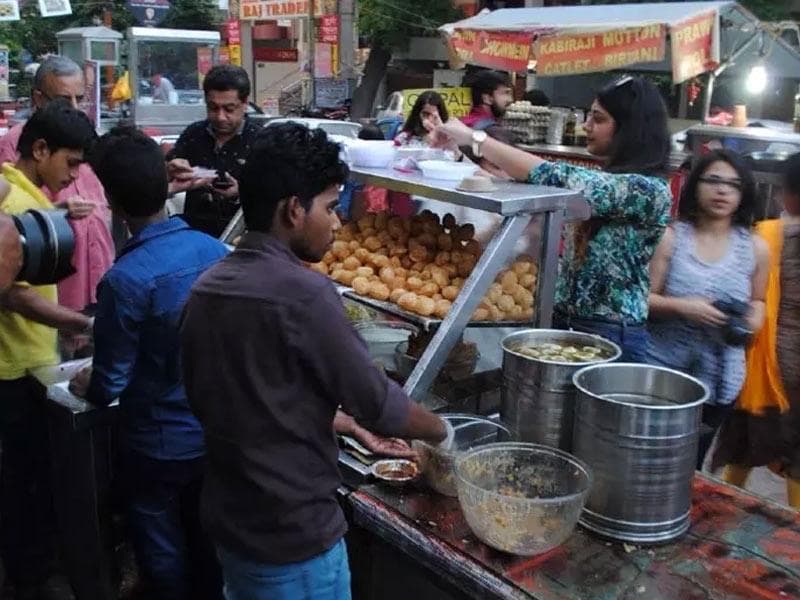
There is no dignified way to eat pani puri. You open your mouth as wide as possible, somehow fit the entire puri inside, and hope it doesn't explode prematurely onto your shirt. Meanwhile, the vendor is already preparing the next one. There is barely enough time to recover.
One pani puri. Then another. Then another. Before you know it, you're participating in what feels less like dinner and more like a competitive sporting event.
And This Is India's Culinary Superstar?
India possesses one of the richest culinary traditions in the world.
Think about it. Biryani slowly cooked with fragrant spices. Crispy dosas served with sambar and coconut chutney. Chole bhature. Rajma chawal. Dal makhani. Idli. Samosas. Kachori. Dhokla. Litti chokha. Pav bhaji. Aloo paratha.
And hundreds — probably thousands — of extraordinary regional dishes that rarely receive the international attention they deserve.
And somehow, in the middle of this culinary civilization, we collectively decided: the hollow ball filled with spicy water is one of our greatest achievements.
Really?
Half the Attraction Isn't the Food
Here is my theory. A large part of pani puri's popularity has very little to do with the actual taste. It is about the experience.
Standing around a roadside stall with friends. Waiting for your turn. Watching the vendor's hands move at lightning speed.
"Bhaiya, thoda teekha!" "No sweet chutney for me!" "One more!" "Make mine extra spicy!"
Someone inevitably starts coughing because theirs was too hot. Someone else insists that this particular vendor makes the greatest pani puri in the entire country.
That is the magic. And I completely understand it. But notice what we're describing — memories, friendship, nostalgia and theater. Not necessarily exceptional food.
Nostalgia Is a Powerful Seasoning
Food is rarely just food. A particular flavor can take us back decades.
For someone who grew up eating pani puri after school, one bite may bring back childhood friends, summer evenings and streets that no longer look the same. For someone living outside India, finding a good pani puri stall can momentarily transport them home.
That emotional connection is real. And perhaps that explains why criticizing pani puri almost feels personal. You aren't merely criticizing a snack — you are accidentally criticizing someone's childhood. That's dangerous territory.
But nostalgia and culinary greatness aren't necessarily the same thing. Sometimes we love food because it reminds us of who we were when we ate it.
Then There Is the Hygiene Question
Now we must address the elephant standing beside the pani puri cart: the water.
Anyone who has eaten street food in India has probably experienced that moment of hesitation. You look at the water. You look at the vendor. You look at the crowd happily eating. Then you make a complicated risk-benefit calculation in approximately three seconds.
And finally you tell yourself: "It should be fine."
Usually, it is. Sometimes, your stomach files a formal complaint several hours later.
Of course, plenty of vendors maintain good hygiene, and pani puri is increasingly served in restaurants and organized food establishments. Still, whenever the defining ingredient of a street snack is literally water, hygiene deserves some consideration.
Maybe I'm Missing Something
Here is where I have to be fair. Millions of people absolutely adore pani puri. People debate which city makes the best version. Some prefer Mumbai-style pani puri. Others swear by Delhi golgappas. Kolkata's puchka has passionate defenders.
Different regions change the filling, spices and water, creating dramatically different versions of essentially the same idea. And perhaps that diversity is part of its brilliance.
A food doesn't become this popular accidentally. Pani puri is inexpensive, intensely flavored, vegetarian-friendly, social and interactive. It delivers sweet, sour, salty, spicy and crunchy sensations almost simultaneously.
From that perspective, perhaps pani puri deserves some respect. But overrated things can still be good. That distinction matters.
My Problem Is With the Hype
If someone handed me pani puri tomorrow, would I refuse it? Probably not.
Would I eat a few? Absolutely.
Would I enjoy them? Most likely.
Would I then declare that I had just experienced one of the greatest foods India has ever produced? Let's not get carried away.
There are simply too many extraordinary Indian dishes competing for that title. Give me a beautifully prepared dosa. Give me a plate of chole bhature. Give me litti chokha from Bihar. Give me a steaming bowl of dal with rice and homemade achar. Give me a properly prepared samosa with chutney and hot chai.
Pani puri can wait.
Perhaps That's the Beauty of Food
There is something wonderfully democratic about taste. No committee decides what you must enjoy. There is no correct answer. One person's culinary masterpiece is another person's:
"It's okay. What's all the fuss about?"
And that's perfectly fine. Food becomes interesting precisely because we disagree about it. Ask ten Indians where the best biryani comes from and you may accidentally start a two-hour debate. Ask whether dosa should be crispy or slightly soft. Ask whether samosa is better with green chutney or tamarind chutney. Ask whether chai tastes better from a ceramic cup or a roadside kulhad.
These aren't merely food questions. They are conversations about geography, culture, childhood and identity. And pani puri belongs beautifully within that tradition.
So, Pani Puri Lovers, Convince Me
I know I may be in the minority. Perhaps I simply haven't eaten the right pani puri yet. Maybe somewhere in Delhi, Mumbai, Kolkata, Patna, Lucknow, Varanasi or another corner of India there is a pani puri vendor capable of changing my mind. I'm willing to keep the door open.
Until then, however, my verdict remains unchanged:
Pani puri is good. Pani puri is fun. Pani puri is nostalgic. But pani puri is also one of India's most overrated dishes.
There. I said it again.
Now, pani puri lovers — before you declare me permanently unqualified to discuss Indian food — tell me: What am I missing? And more importantly, which Indian dish deserves more attention than pani puri?