India's Wild Heart: A Journey Through Nature's Untamed Beauty
India is often celebrated for its rich history, vibrant culture, and ancient traditions, but another remarkable treasure lies beyond its bustling cities and historic monuments—its extraordinary wilderness.
From the snow-covered Himalayas in the north to the tropical rainforests of the Western Ghats and the dense jungles of Central India, the country is home to some of the world's most diverse ecosystems.
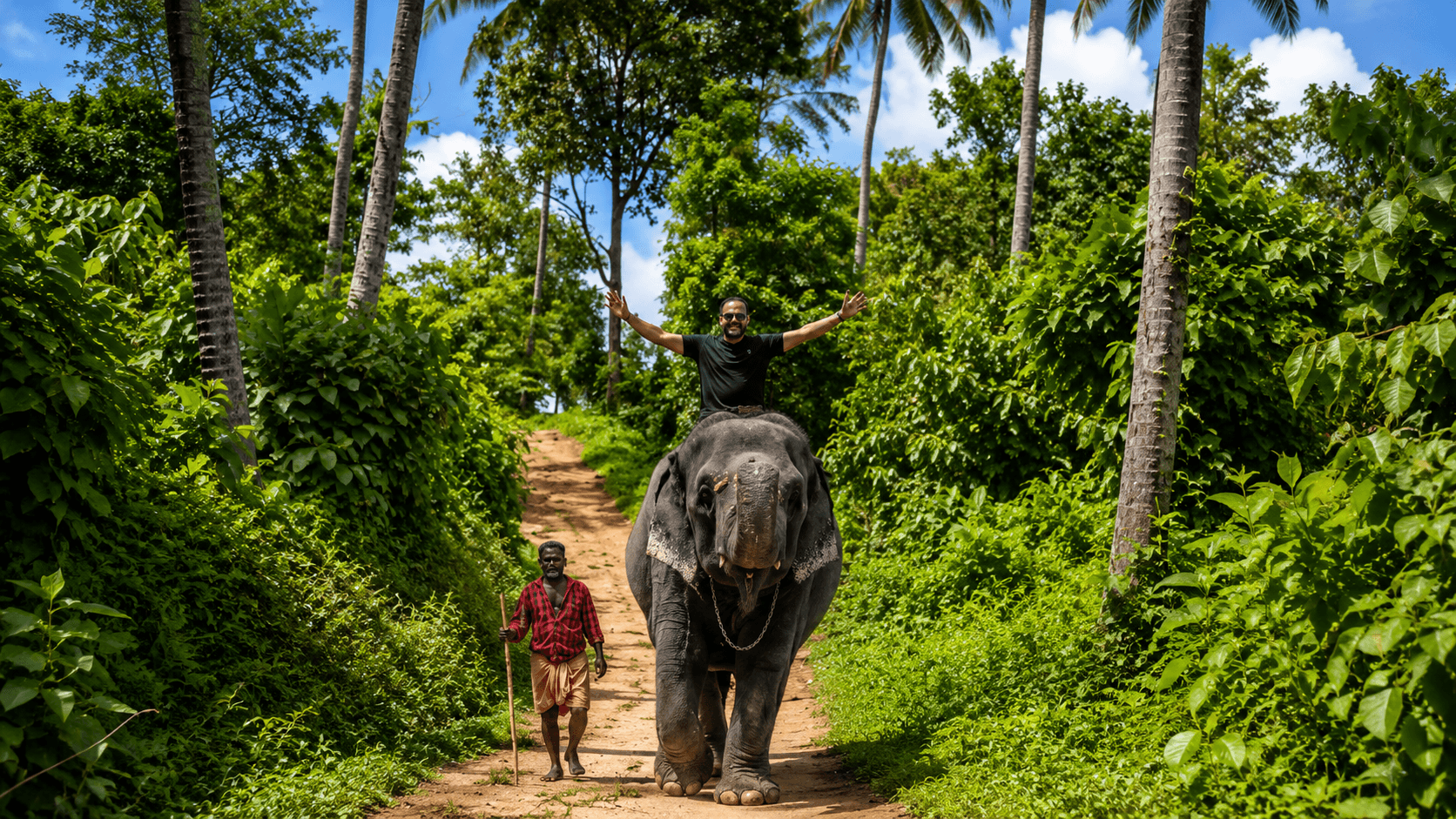
Standing atop an elephant, surrounded by lush greenery, I was reminded that India's forests are far more than beautiful landscapes.
They are living ecosystems that have existed for thousands of years, supporting countless species and preserving an incredible balance of nature.
The silence of the jungle is unlike anything else.
Every rustling leaf, distant bird call, and hidden movement tells a story of life flourishing in its natural habitat.
Discovering India's Extraordinary Biodiversity
India is one of the world's most biologically diverse countries, offering an astonishing variety of landscapes and wildlife.
From alpine mountains and dense forests to grasslands, wetlands, deserts, and coastal ecosystems, every region contributes to the nation's remarkable natural heritage.
This rich biodiversity makes India one of the most rewarding destinations for wildlife enthusiasts, photographers, conservationists, and nature lovers.
Wildlife That Defines India's Natural Heritage
India is home to some of the world's most iconic and fascinating wildlife.
Among its remarkable inhabitants are:
- 1. Asian Elephants roaming the forests of Kerala, Karnataka, Assam, and Uttarakhand.
- 2. Bengal Tigers, with India protecting nearly 75% of the world's wild tiger population.
- 3. Asiatic Lions found exclusively in Gir National Park, Gujarat.
- 4. Leopards, Sloth Bears, Indian Gaur, Deer, Rhinoceroses, and numerous other remarkable mammals.
- 5. More than 1,300 bird species, making India one of the world's premier birdwatching destinations.
Each species plays an essential role in maintaining the delicate balance of nature.
Protecting them means protecting entire ecosystems that support life for generations to come
The Importance of Conservation
India's extensive network of:
- National Parks
- Wildlife Sanctuaries
- Tiger Reserves
- Biosphere Reserves
- Protected Forests
plays a vital role in preserving biodiversity and protecting endangered species.
Conservation efforts over recent decades have achieved remarkable progress.
Through the collaboration of governments, forest departments, conservation organizations, scientists, and local communities, several endangered species have begun to recover.
These successes demonstrate what is possible when people unite around a common purpose: protecting nature for future generations.
Experiencing the Jungle from a Different Perspective
Exploring the forest from the back of an elephant offered a unique and unforgettable perspective.
Surrounded by towering trees and untouched wilderness, every moment felt deeply connected to nature.
The experience was not simply about adventure.
It became an opportunity to appreciate:
- Nature's balance
- Wildlife behavior
- The importance of conservation
- Respect for natural habitats
- The wisdom of local communities
The guides and forest communities who live alongside these ecosystems possess generations of knowledge about wildlife, seasons, and forest life.
Their deep respect for nature serves as an important reminder that humans are only one part of a much larger ecosystem.
Responsible Tourism Matters
As travelers, we also have an important responsibility.
Every visit to a natural habitat should contribute to its protection rather than its disturbance.
Responsible tourism means:
- Respecting wildlife from a safe distance
- Avoiding litter and pollution
- Supporting ethical wildlife experiences
- Following forest regulations
- Choosing eco-friendly accommodations
- Supporting local conservation initiatives
- Protecting natural habitats for future generations
Sustainable travel ensures that future visitors can experience these incredible landscapes just as we do today
Lessons from the Wild
Every journey into nature teaches something meaningful.
India's forests remind us that:
- Nature thrives through balance.
- Every species has a purpose.
- Conservation requires collective responsibility.
- Patience reveals extraordinary beauty.
- Respect for wildlife begins with understanding.
Perhaps the greatest luxury is not found in five-star hotels or modern conveniences.
It is found in moments when we disconnect from busy lives, breathe fresh forest air, and witness wildlife living freely in its natural home.
These experiences stay with us long after the journey ends.
Looking Toward the Future
India's forests are among the nation's greatest natural treasures.
They inspire adventure, humility, scientific discovery, and a deep appreciation for the extraordinary diversity of life on Earth.
Protecting these ecosystems is not only an environmental responsibility—it is an investment in future generations.
By strengthening conservation efforts, encouraging sustainable tourism, and educating future generations about biodiversity, we ensure that India's remarkable wilderness continues to thrive.
Final Thoughts
Every journey into nature leaves us with something far more valuable than photographs.
It leaves us with perspective.
Standing amidst India's forests reminded me that true wealth is found not in possessions, but in experiences that reconnect us with the natural world.
The forests, rivers, mountains, and wildlife of India remind us that humanity and nature are deeply connected.
When we protect one, we ultimately protect the other.
India's wild heart continues to inspire adventure, gratitude, and hope.
May future generations inherit these magnificent forests just as vibrant and alive as they are today.
"In the heart of every forest lies a lesson: when humanity learns to live in harmony with nature, both can flourish together."
— Dr. Vijay Kumar